

Smoky Mountains Fall Foliage: The Only Guide You Need
Fall color in the Smoky Mountains does not arrive all at once. It begins at the highest elevations and moves gradually into the lower valleys, creating a viewing season that often lasts several weeks.
According to the National Park Service, higher elevations can begin changing as early as mid-September. Color typically develops above 4,000 feet from early to mid-October, while the most brilliant displays below 4,000 feet often occur from mid-October into early November. Exact timing changes every year, so think in elevation bands—not one mythical “peak weekend.”
UNDERSTANDING THE TIMING
Temperature, sunlight, rainfall, and elevation all influence the season. A warm early fall may delay color, while cooler nights can move it along. Gatlinburg sits at a much lower elevation than the park’s ridgelines, which means a drive up Newfound Gap Road can take you through several stages of color on the same day.
The smartest strategy is flexibility: check the National Park Service fall-color updates and webcams shortly before your trip, then choose your route based on where the color is showing best.
BEST VIEWING LOCATIONS
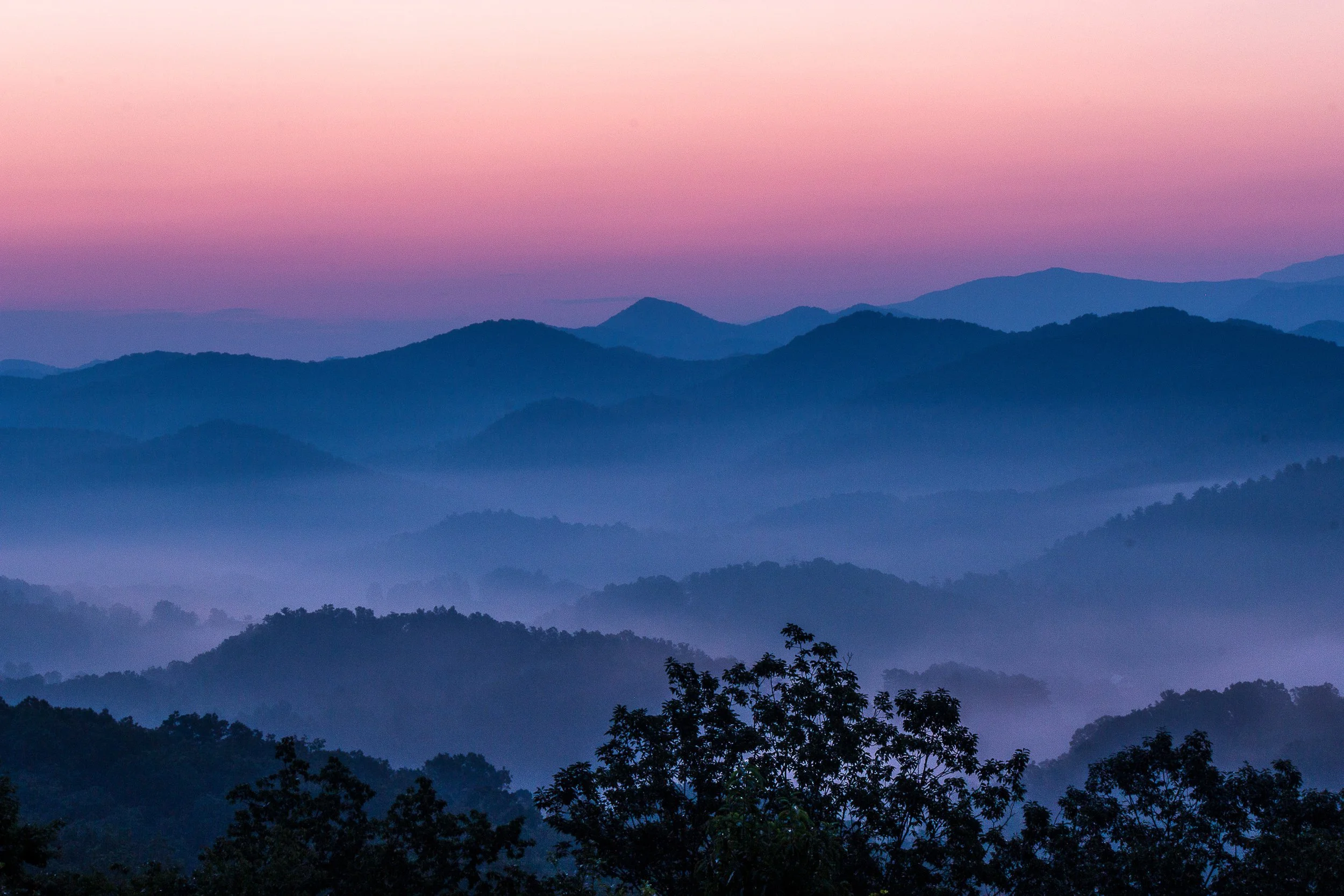
NEWFOUND GAP ROAD (US-441) — BEST OVERALL DRIVE
The 33-mile route between Gatlinburg and Cherokee crosses the park at Newfound Gap. It moves from lower-elevation hardwood forest into high-elevation spruce-fir country, making it one of the best ways to see the full progression of fall color. Allow at least two hours if you plan to use the overlooks.
ROARING FORK MOTOR NATURE TRAIL — BEST IMMERSIVE DRIVE
This 5.5-mile, one-way loop begins near downtown Gatlinburg and winds through a dense forest canopy. At peak color, the road feels enclosed by gold and orange. It is one of the park’s busiest fall drives, so go early and confirm seasonal road status before leaving.
KUWOHI — BEST PANORAMIC VIEW
Kuwohi, formerly known as Clingmans Dome, is the highest point in Great Smoky Mountains National Park at 6,643 feet. From the end of Kuwohi Road, a steep paved half-mile trail leads to the observation tower. Weather permitting, the views stretch across layers of ridgeline. Parking demand often exceeds capacity, so arrive early and keep a second destination in mind.
CADES COVE — BEST OPEN VALLEY VIEWS
The 11-mile one-way loop combines broad meadow views, historic structures, wildlife habitat, and mountain ridgelines. It is extraordinarily photogenic in fall—and extraordinarily popular. Allow far more time than the mileage suggests.
COSBY AND GREENBRIER — BEST FOR A QUIETER EXPERIENCE
The eastern side of the park generally receives fewer visitors than Cades Cove and Roaring Fork. Cosby and Greenbrier offer forest trails, streams, waterfalls, and the same regional color with less congestion. For WildNest guests staying in Pittman Center, these areas are especially practical.
HOW TO AVOID THE WORST CROWDS
Arrive before 8 a.m. or after 4 p.m. October is the park’s busiest month, and popular parking areas can fill early.
Buy and print your parking tag before arrival. A valid tag is required when parking for more than 15 minutes anywhere in the park. A parking tag does not reserve a parking space.
Build a Plan B. If Kuwohi, Cades Cove, or Roaring Fork is full, shift to a quieter eastern destination rather than spending the day in traffic.
Choose weekdays when possible. The experience can be meaningfully calmer than a peak October weekend.
Check road conditions. Mountain weather and seasonal closures can change access quickly.
WHY A CABIN MAKES THE RIGHT BASE
A private cabin near Gatlinburg gives you access to the park without requiring you to sleep inside the Strip’s constant motion. After a day of driving overlooks or walking beneath the canopy, a private deck, hot tub, and fire are not incidental amenities—they are part of the fall experience.
The Bluebird and The Finch are approximately ten minutes from downtown Gatlinburg, with convenient access to the park’s quieter eastern areas. October is one of WildNest’s fastest-booking periods, so plan early if fall color is the reason for your trip.
Check availability for The Bluebird and The Finch—and leave enough room in the itinerary to follow the color wherever it is best.